
Cincinnati can be proud that it helped John James Audubon begin his quest to create life-sized paintings of all of North America’s birds. If he hadn’t been so miserable in Cincinnati, if his job at the Western Museum (now the Cincinnati Museum of Natural History) hadn’t turned out to be a dud, if his wife hadn’t found their living conditions in the city deplorable, if the family Audubon felt hadn’t reached the end of their collective rope, which was made worse by the loss of two young daughters within two years of each other, Audubon might never have been driven to take the desperate measure of leaving his family for a lengthy and risky journey of discovery to New Orleans, and we might not have Audubon’s masterpiece, The Birds of America.
To be fair, Audubon also received some of his first public acclaim for an exhibit of his bird drawings in Cincinnati, and this must have given him encouragement to begin the work necessary for his ambitious project. With nothing to lose and a string of personal and financial failures behind him, including a stint in debtor’s prison, Audubon left Cincinnati for New Orleans via the Ohio and Mississippi rivers with his teenage assistant Joseph Mason on October 12, 1820. In Audubon’s Mississippi River Journal, which covers Audubon’s experiences from October 1820 through December 1821, Audubon spends a considerable amount of time recording the birdlife he saw and studied — as well as shot and often ate–during his journey to New Orleans and the time he spent in Louisiana, where he tried to make a living as a teacher.
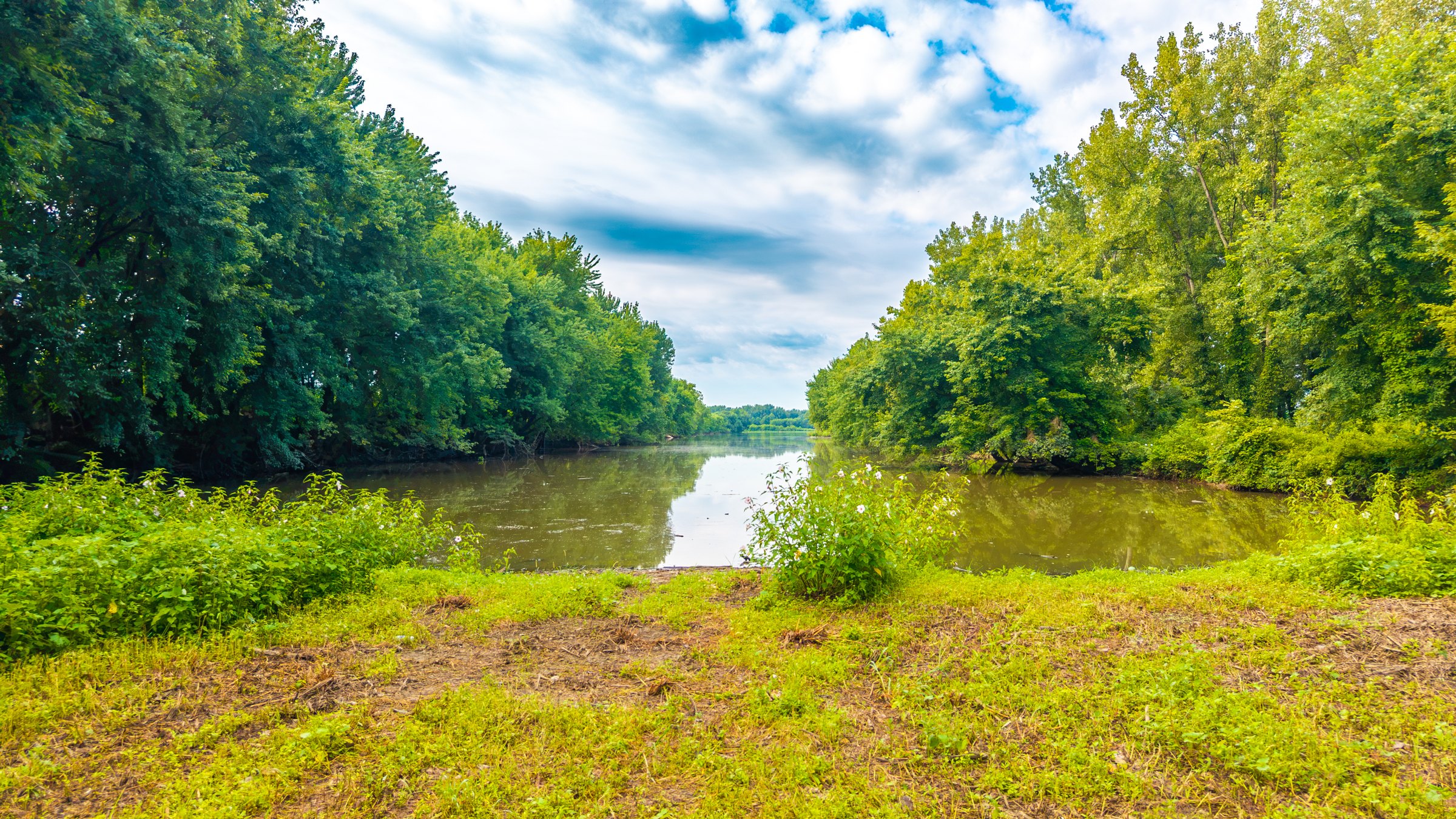
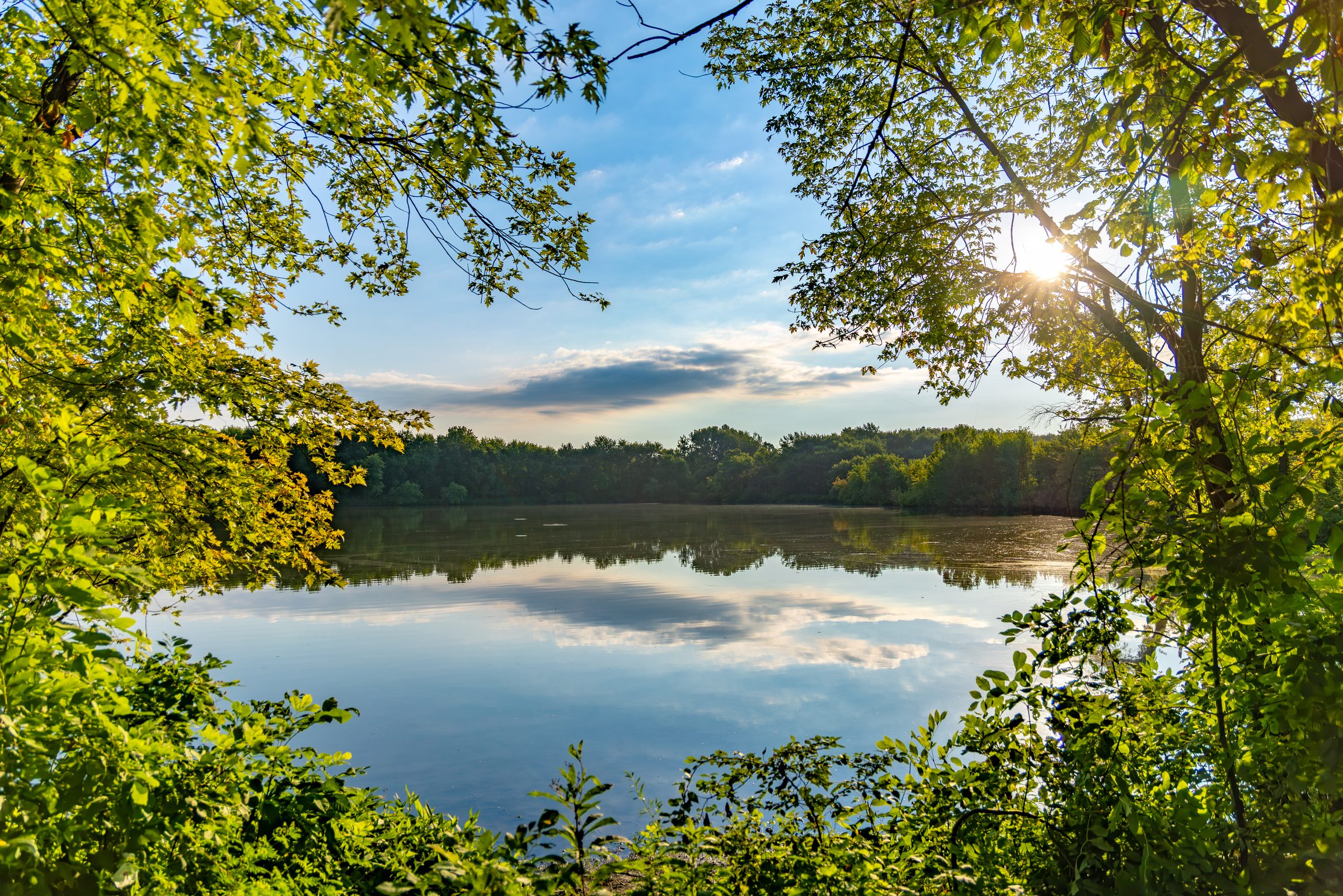
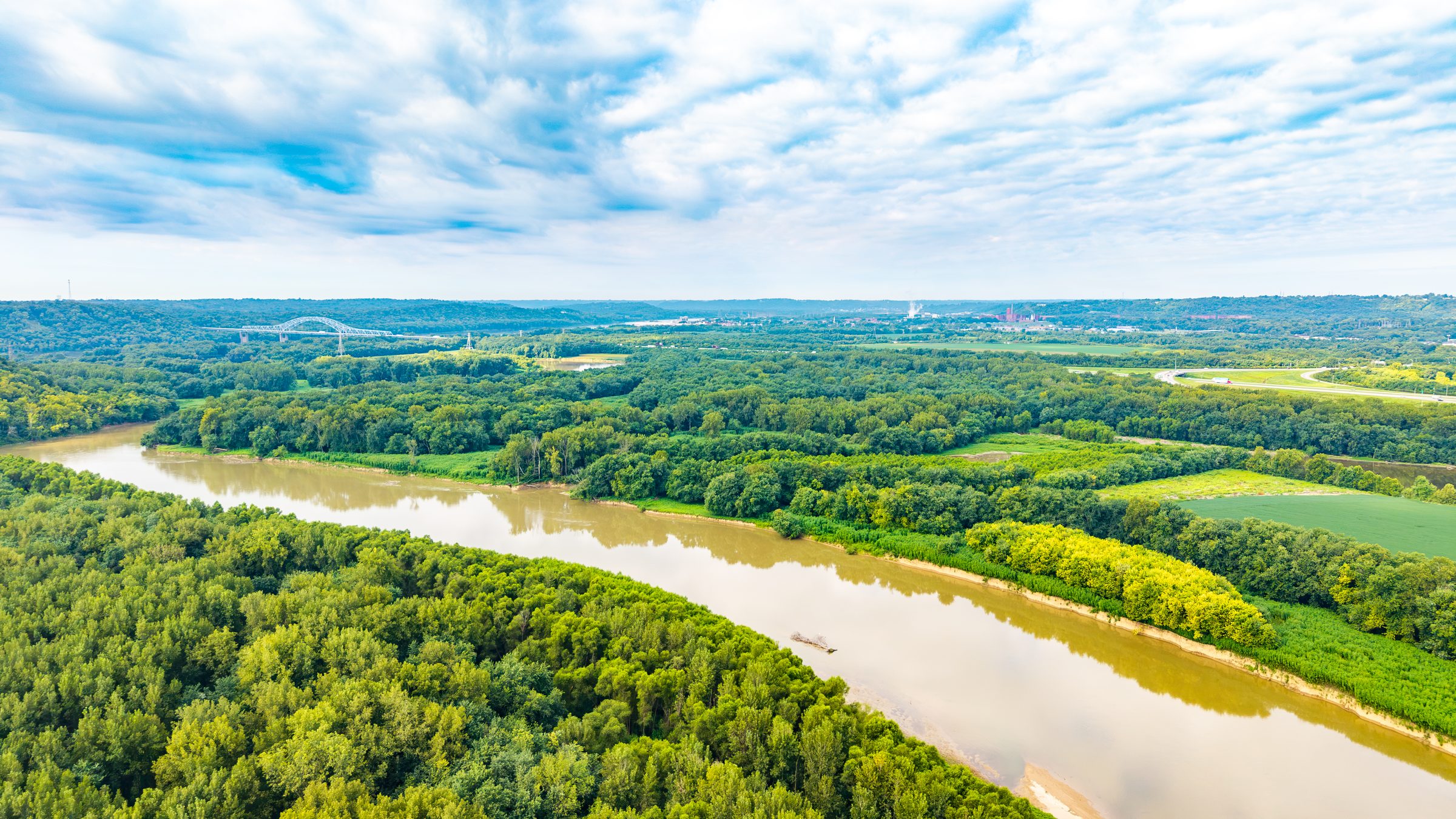
On October 14, 1820, on the third day of his journey, Audubon records a visit he made to an area near and dear to Oxbow members and supporters:
“After an early Breakfast We took to the Woods I say We because Joseph Mason, Capt Cummings & Myself I believe Are always together.
“I Shot a Fish Hawk Falco Alitus [osprey] at the Mouth of the Big Miami River a handsome Male in good Plumage. he was wingd only and in attempting to Seize Joseph’s hand, he ran One of his Claws through the Lower Mandible of his Bill and exhibited a very Ludicrous object-these Birds Walk with great dificulty and Like all of The Falco and Strix Genus throw themselves on their backs to defend themselves.
“We returnd to our Boat with a Wild Turkey 7 Partriges [northern bobwhite quail] a Tall Tale Godwit [greater yellowlegs] and a Hermit Thrush which was too much torn to make a drawing of it this Was the first time I had Met with the Bird and felt particularly Mortified at its Situation.
“We passd the Small Town of Laurenceburgh in Indiana, Petersburgh in K.y, We Walked in the afternoon to Bellevue. . . . We killed 4 Small Grebes [horned grebes] at one Shot from a Flock of about 30. We approached them with ease to within about 40 Yards, they were chassing each other and quite Mery.
“When the Destructive fire through the whole in consternation, the Many Wounded escaped by Diving, the rest flew off-this is the second time I have seen this kind, and they must be extremely rare, in this part of America-. . . We walked this day about 40 Miles saw one Deer Crossing the River”.
This might be the first record of what we would call a field trip to the Oxbow area. And it’s interesting to read that Audubon collected an osprey, as well as a life bird, a hermit thrush, on his visit to the Oxbow area. A few days later and further down the river, he managed to collect a hermit thrush that was in good enough shape to use as a drawing model.
The quotations from Audubon’s Mississippi River Journal are taken from John James Audubon: Writings & Drawings, published by The Library of America in 1999. The composition, capitalization, spellings and punctuation are as they are in Audubon’s journal and the bracketed contemporary names of the birds Audubon mentions in his journal are as listed in the notes by Christoph Irmscher, Editor of the Library of America Audubon Collection. (2/21/04)